
Beginner's Journey: Personal Training Programs Explained
HC
Understanding Personal Training Programs
Embarking on a fitness journey can be both exciting and overwhelming, especially if you're a beginner. Personal training programs are designed to provide guidance, structure, and motivation to help you achieve your fitness goals. But what exactly do these programs entail? Let's explore the basics.
What is a Personal Training Program?
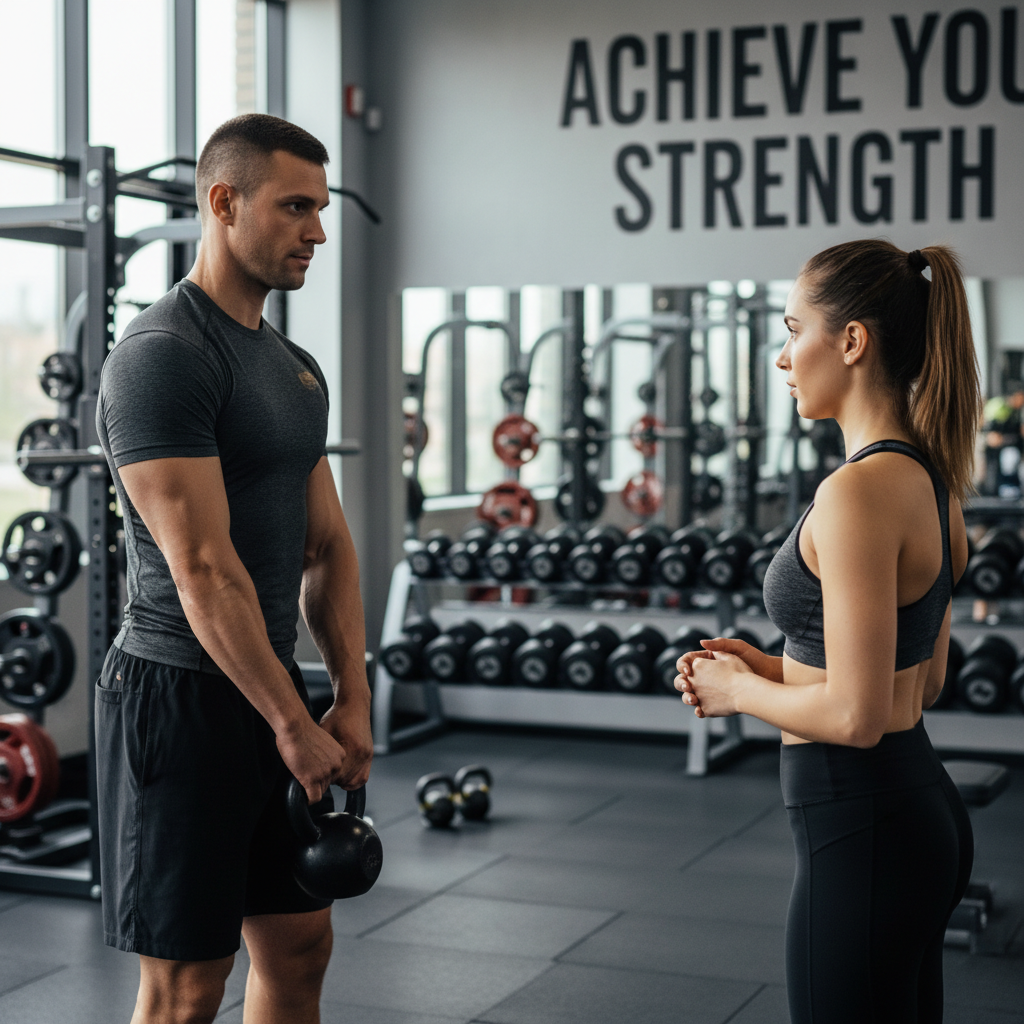
A personal training program is a tailored fitness plan that is customized to meet your individual needs and goals. These programs are typically created by certified personal trainers who assess your current fitness level, discuss your objectives, and design a workout schedule that aligns with your lifestyle.
Benefits of Personal Training
Personal training offers numerous advantages, especially for beginners. Some of the key benefits include:
- Personalized Attention: Trainers provide one-on-one guidance, ensuring that exercises are performed correctly and safely.
- Motivation and Accountability: Regular sessions help maintain motivation and hold you accountable to your fitness commitments.
- Goal Setting: Trainers assist in setting realistic and achievable goals, tracking progress along the way.

Types of Personal Training Programs
There are various types of personal training programs available, each catering to different fitness levels and objectives. Here are a few common ones:
- Strength Training: Focuses on building muscle and increasing strength through weightlifting and resistance exercises.
- Cardio Training: Aims to improve cardiovascular health through activities like running, cycling, or HIIT.
- Flexibility and Mobility: Enhances range of motion and reduces the risk of injury through stretching and mobility exercises.
How to Choose the Right Program
Choosing the right personal training program depends on your specific goals and preferences. It's important to communicate openly with your trainer about what you hope to achieve. Consider factors like your current fitness level, available time, and any physical limitations you might have.

Setting Realistic Goals
Setting realistic goals is crucial for success. Start with small, achievable targets and gradually increase the difficulty as you progress. This approach helps build confidence and keeps you motivated throughout your fitness journey.
Tracking Progress
Tracking your progress is an essential part of any personal training program. Regular assessments, such as measurements and fitness tests, can provide valuable insights into how far you've come and what areas need improvement.
The Role of Nutrition in Personal Training
Nutrition plays a vital role in achieving fitness goals. A well-balanced diet complements your workout routine and helps fuel your body for optimal performance. Many trainers offer nutritional guidance as part of their programs, ensuring a holistic approach to health and wellness.
Embracing the Journey
Starting a personal training program is a commitment to yourself and your health. It's important to embrace the journey, celebrate your achievements, and learn from any setbacks. With dedication and the right support, you'll find that the journey itself is as rewarding as reaching your goals.