
Mastering Stress Management and Fitness: A Comprehensive Guide
HC
Understanding Stress and Its Impact
Stress is a natural response to challenging situations, but when it becomes chronic, it can have a detrimental impact on both mental and physical health. Understanding how stress affects your body and mind is the first step in managing it effectively. Common symptoms include headaches, fatigue, and irritability, which can lead to more serious health issues if left unaddressed.
Long-term stress can contribute to conditions such as heart disease, obesity, and depression. It's essential to recognize the signs early and take proactive measures to mitigate its effects. Managing stress is not just about relaxation; it's about adopting a holistic approach that integrates various strategies into daily life.
The Role of Fitness in Stress Management
Physical activity is a powerful stress reliever. Regular exercise releases endorphins, which are natural mood lifters, helping to reduce stress and anxiety. Incorporating fitness into your daily routine can significantly improve your overall well-being.
Fitness doesn't have to mean intense workouts or marathons. Simple activities like walking, yoga, or cycling can be effective. The key is consistency and finding an exercise routine that you enjoy, as this will increase the likelihood of sticking with it long-term.

Creating a Balanced Fitness Routine
When designing a fitness plan to manage stress, it's important to include a variety of exercises that target different aspects of health. Here’s a simple guide to building a balanced routine:
- Cardiovascular exercise: Activities like running, swimming, or dancing get your heart rate up and improve cardiovascular health.
- Strength training: Using weights or body weight exercises to build muscle strength and endurance.
- Flexibility and balance: Yoga or tai chi can enhance flexibility and balance, aiding relaxation and stress relief.

Mindfulness and Relaxation Techniques
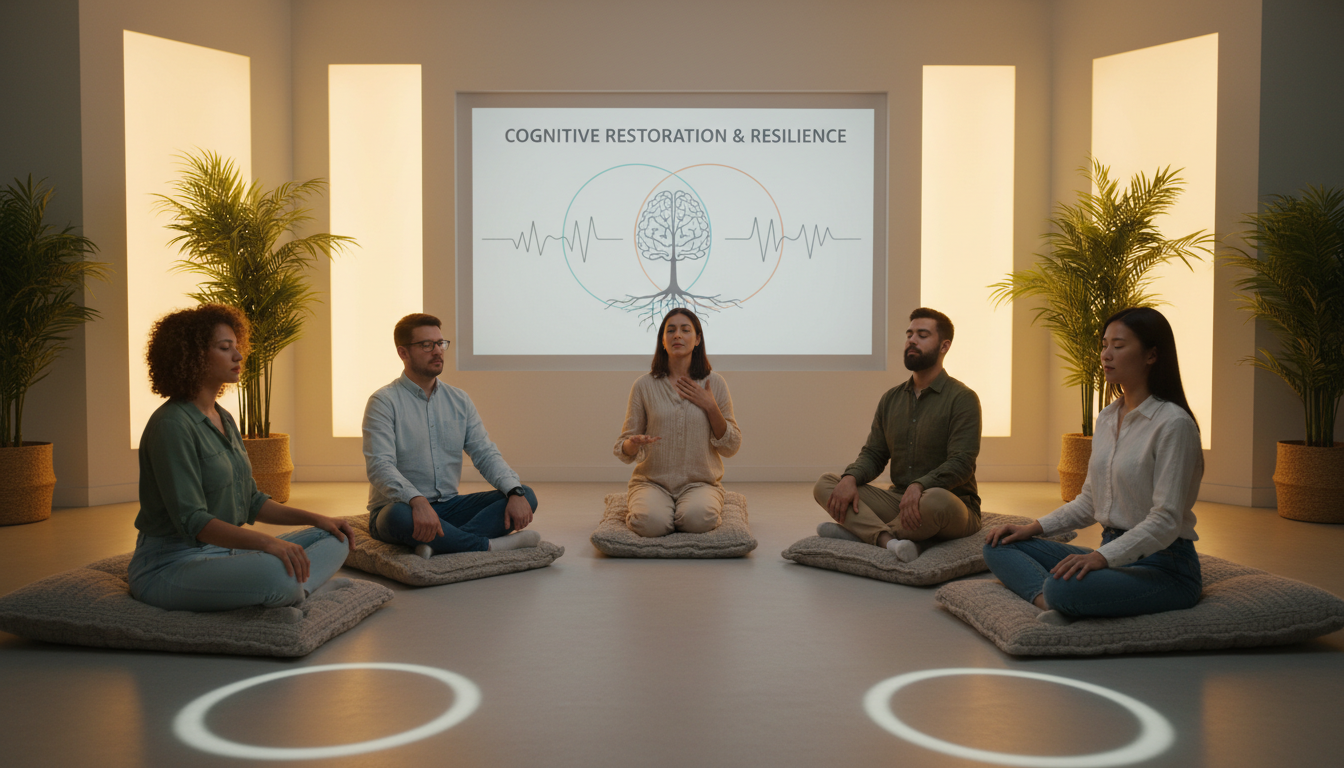
In addition to physical exercise, incorporating mindfulness and relaxation techniques can greatly enhance stress management. Practices such as meditation, deep breathing, and progressive muscle relaxation can help calm the mind and reduce stress levels.
Mindfulness involves being present in the moment and can be practiced anywhere, anytime. Start with a few minutes a day and gradually increase the duration as you become more comfortable. These practices can improve focus, reduce anxiety, and promote emotional health.
Setting Realistic Goals
Setting achievable goals is crucial for maintaining motivation and progress in both stress management and fitness. Unrealistic expectations can lead to disappointment and increased stress. Begin with small, attainable goals and gradually build upon them as you gain confidence and skill.
For example, if you're new to exercise, aim for 15 minutes of activity a day and slowly increase the duration. Similarly, set specific mindfulness goals, like practicing meditation for five minutes each morning.

Nutrition and Lifestyle Considerations
Nutrition plays a significant role in stress management and fitness. A balanced diet rich in fruits, vegetables, lean proteins, and whole grains can provide the energy and nutrients needed to cope with stress and support an active lifestyle.
Avoid excessive caffeine and sugar, as these can exacerbate stress symptoms. Staying hydrated and getting sufficient sleep are also crucial components of a healthy lifestyle that supports stress management and physical fitness.
Building a Support System
Connecting with others can provide emotional support and encouragement. Whether it's joining a fitness group, participating in community activities, or simply talking with friends, having a support system can make a significant difference in managing stress effectively.
Remember, mastering stress management and fitness is an ongoing journey. By integrating these strategies into your daily routine, you can enhance your quality of life and build resilience against stress.