Overcoming Common Meditation Misconceptions: Insights from HVL-Well Experts
HC
Understanding Meditation Misconceptions
Meditation is often surrounded by a variety of misconceptions that can deter people from trying it or fully embracing its benefits. Experts at HVL-Well have taken the initiative to debunk these myths, helping more individuals discover the true essence of meditation. Let's explore some of the most common misunderstandings and provide clarity on this ancient practice.
Many people believe that meditation requires sitting in silence for hours. This is a major misconception. While some forms of meditation involve extended periods of stillness, many practices can be done in just a few minutes a day. Meditation is highly adaptable and can fit into any lifestyle.
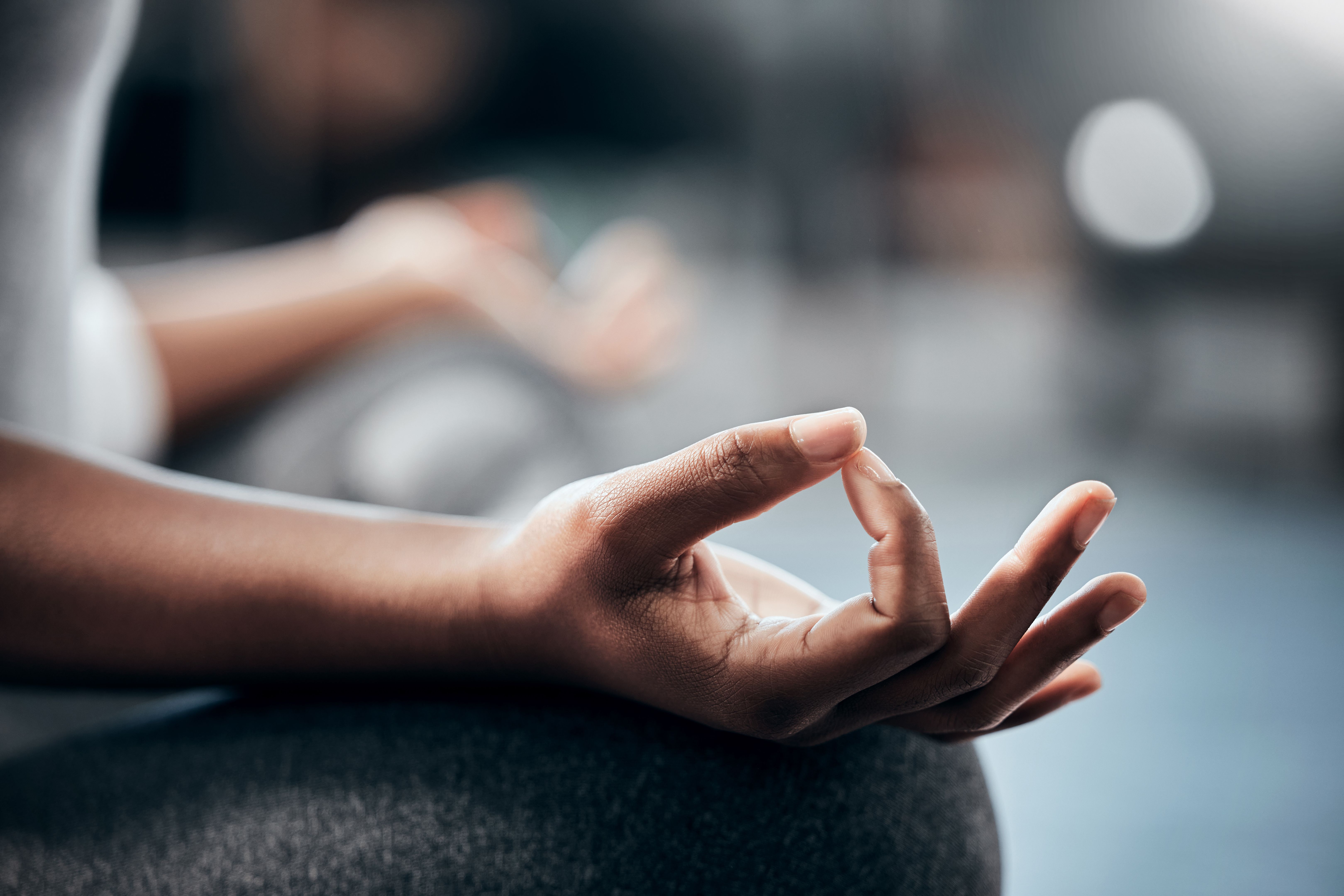
Meditation and Concentration
Another common myth is that meditation demands perfect concentration. In reality, meditation is not about achieving a blank mind but rather about observing thoughts without judgment. It's natural for the mind to wander, and recognizing this is a part of the practice.
Beginners often worry about their ability to concentrate. However, meditation is a journey, and improvement comes with regular practice. The key is to be patient and compassionate with oneself during the process.

Religious Ties to Meditation
Some people think meditation is inherently religious. While meditation has roots in spiritual traditions, it is a secular practice that can benefit anyone, regardless of their beliefs. Many modern meditation techniques focus on mindfulness and well-being rather than spirituality.
HVL-Well experts emphasize that meditation can be customized to align with personal values and goals. Whether seeking relaxation, stress relief, or enhanced focus, meditation offers diverse approaches to suit individual needs.

Time and Effort in Meditation
There's a misconception that meditation requires too much time and effort. In truth, even a few minutes of daily meditation can yield significant benefits. Short, consistent practice is often more effective than sporadic, lengthy sessions.
For those with busy schedules, integrating brief meditation breaks into daily routines can enhance productivity and mental clarity. The practice is about quality, not quantity.

Immediate Results from Meditation
Many expect immediate results from meditation, but its effects are often gradual. Meditation is a long-term investment in mental and emotional health. Regular practice leads to improved resilience, reduced stress, and greater emotional balance.
Patience and persistence are key. Over time, meditation can transform one's approach to life's challenges, offering a deeper sense of peace and fulfillment.

Conclusion: Embrace the Journey
Overcoming these misconceptions opens the door to the true benefits of meditation. By understanding the realities of this practice, more individuals can embark on a transformative journey toward improved well-being.
The insights from HVL-Well experts highlight that meditation is accessible, adaptable, and beneficial for everyone. Embrace the journey with an open mind and discover the profound impact meditation can have on your life.