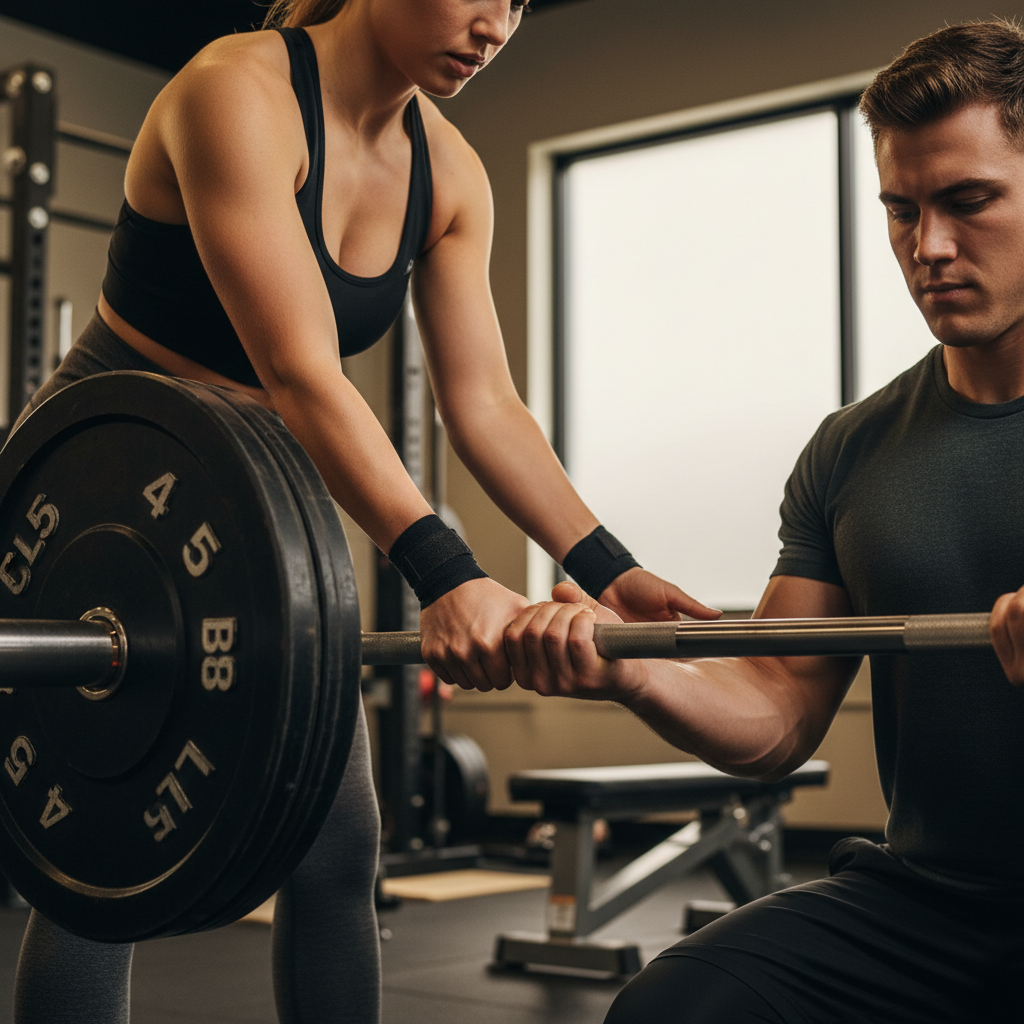
Understanding Functional Fitness: A Guide to Transformative Personal Training
HC
What is Functional Fitness?
Functional fitness is a dynamic approach to personal training that focuses on improving your body's ability to perform everyday activities. Unlike traditional fitness programs that may emphasize isolated muscle training, functional fitness incorporates exercises that mimic real-life movements. This training method helps enhance strength, balance, flexibility, and coordination.
The core idea behind functional fitness is to train your body as a whole, rather than focusing on individual muscles. This holistic approach not only improves overall fitness but also reduces the risk of injury, making it an effective and safe workout choice for people of all ages and fitness levels.
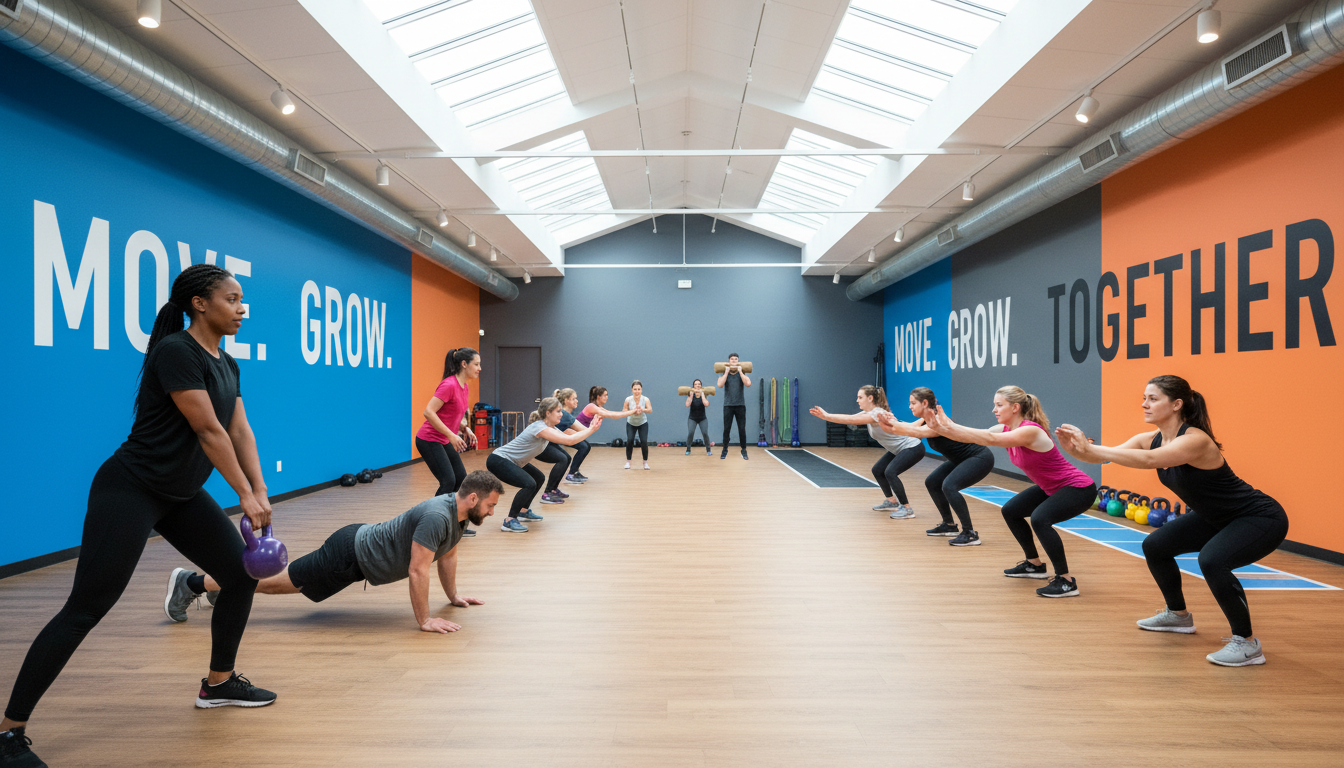
Benefits of Functional Fitness
One of the main benefits of functional fitness is its ability to improve your overall quality of life. By focusing on movements that are natural and essential, functional fitness can help you perform daily tasks more efficiently and with less effort.
Additionally, functional fitness is highly adaptable. Whether you're an athlete looking to enhance performance or someone new to exercise seeking a practical way to stay healthy, functional fitness can be tailored to meet your specific needs and goals.
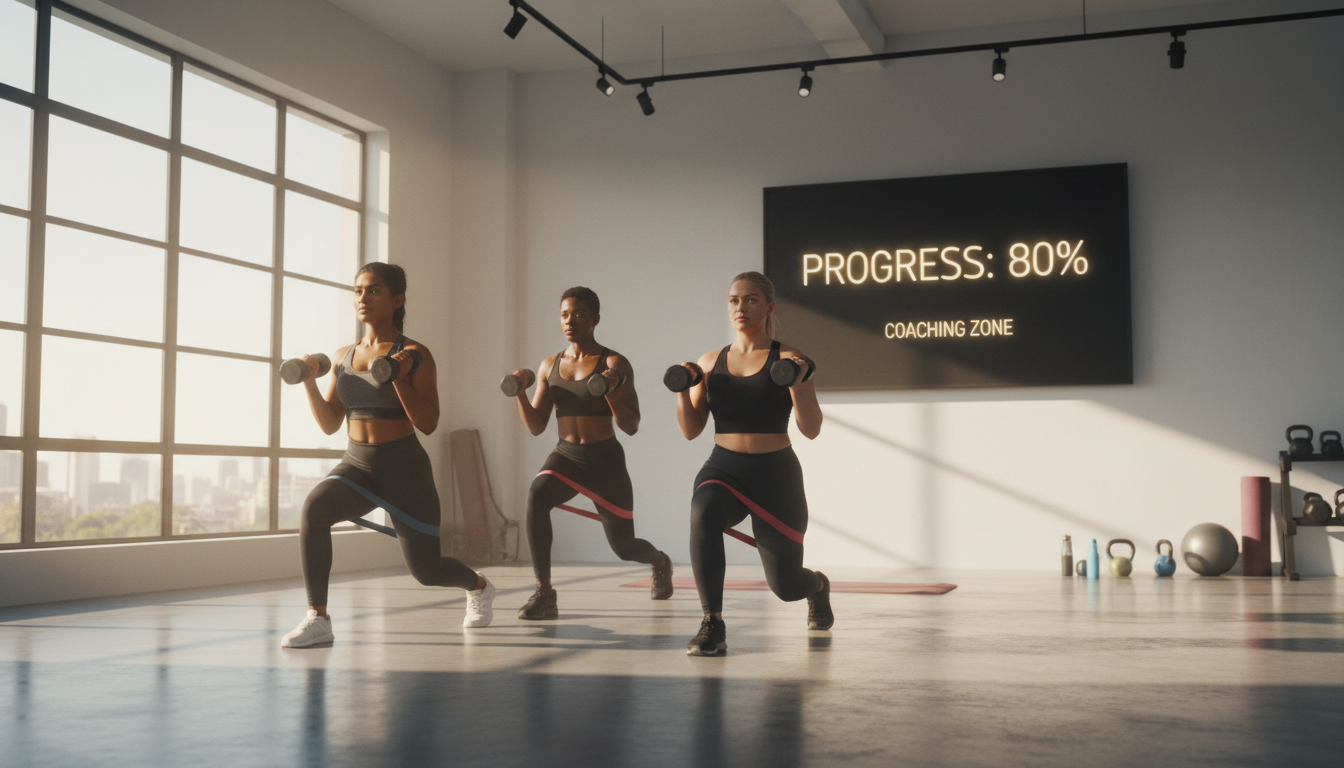
Enhancing Core Stability
Core stability is a key component of functional fitness. A strong core supports your spine, improves posture, and plays a crucial role in almost every movement your body makes. Functional exercises like planks, squats, and lunges engage multiple muscle groups, including your core, leading to a more balanced and stable physique.
Incorporating Functional Fitness into Your Routine
Integrating functional fitness into your routine doesn't require a complete overhaul of your current workout plan. Start by incorporating a few functional exercises into your sessions, gradually increasing their complexity as you become more comfortable.
- Begin with exercises like bodyweight squats, lunges, and push-ups.
- Use equipment like kettlebells, resistance bands, and balance boards to add variety.
- Focus on form and control, prioritizing quality over quantity.
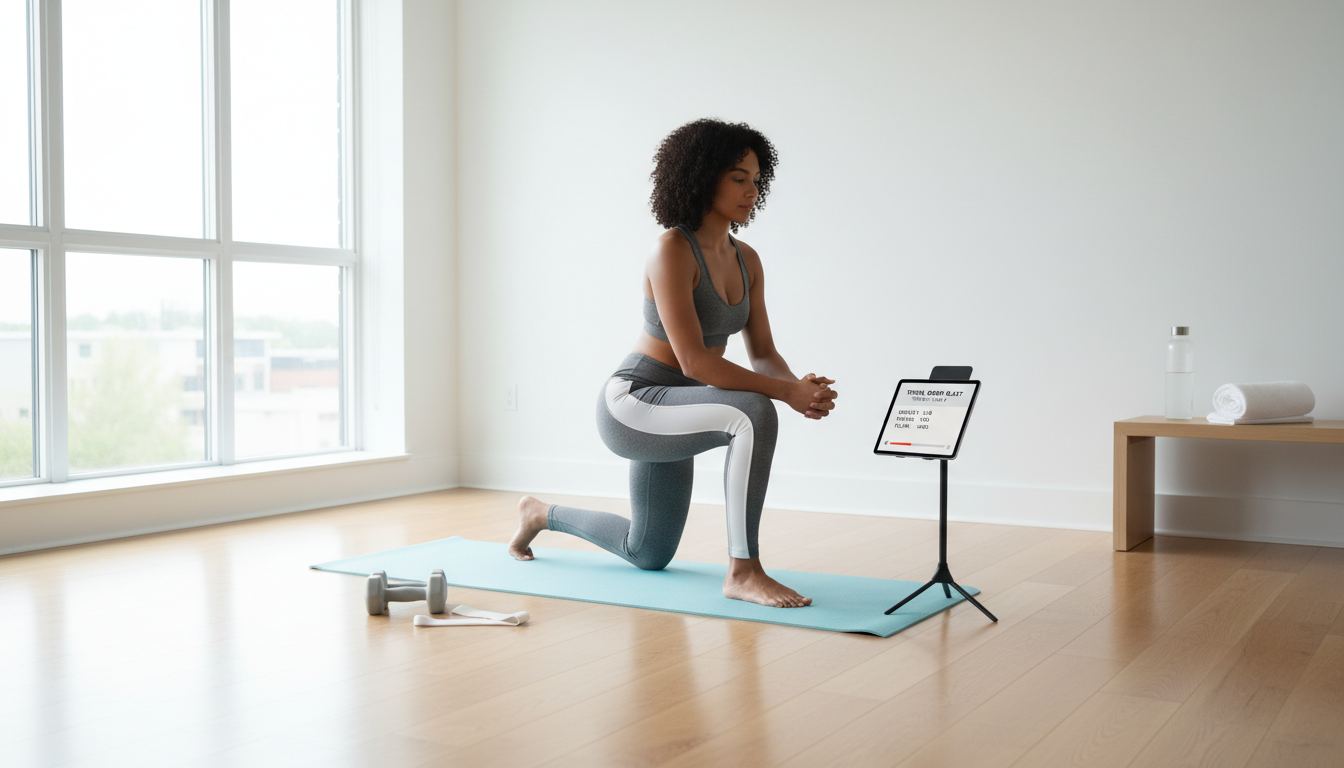
Working with a Functional Fitness Trainer
A qualified personal trainer can be an invaluable resource in your functional fitness journey. They can assess your current fitness level, identify areas for improvement, and create a customized plan that aligns with your goals. With professional guidance, you'll gain confidence and see faster progress.
Functional fitness is more than a trend; it's a transformative approach to personal training that empowers you to move better, feel better, and live better. Whether you're lifting groceries, playing with your kids, or training for a marathon, functional fitness prepares you for the challenges of everyday life.